
Tourism exhibition design for destination marketing begins with clear goal setting and understanding the target audience’s preferences. Effective use of space, especially in small or multi-attraction exhibits, guarantees a smooth visitor flow and maximizes engagement. Engaging displays combined with interactive elements like touchscreens and virtual reality enhance visitor experience tourism exhibition design. Measuring success through feedback and engagement metrics helps refine future exhibitions. Exploring these strategies further reveals how to create memorable and impactful tourism showcases.
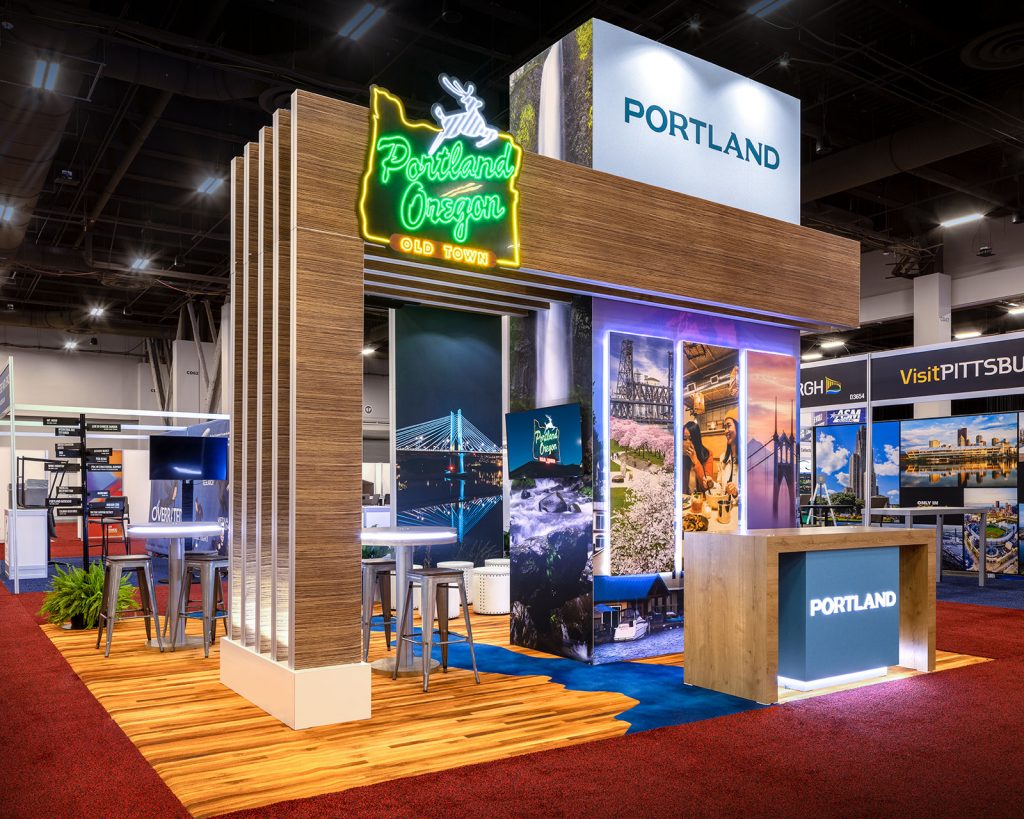
Planning Your Tourism Exhibition: Setting Goals and Audience
When planning a tourism exhibition, identifying clear goals and understanding the target audience are essential first steps. Defining objectives—whether to increase visitor numbers, promote lesser-known destinations, or highlight unique experiences—shapes the exhibition’s direction.
Equally vital is pinpointing the audience’s interests, preferences https://www.touchconcept.com.my/, and travel motivations. This knowledge allows for tailored messaging that resonates with those seeking adventure, cultural immersion, or relaxation.
Exhibitors can then craft an inviting narrative that encourages exploration and freedom in travel choices. By focusing on specific goals and a well-defined audience, the exhibition avoids generic appeals, fostering genuine connections.
This approach maximizes impact, ensuring the display inspires visitors to embrace new possibilities and plan journeys aligned with their personal desires for freedom and discovery.
Using Space Efficiently in Small and Multi-Attraction Exhibits
How can limited space be optimized to create an engaging experience in small or multi-attraction tourism exhibits? Efficient use of space relies on strategic layout and multifunctional elements that maximize visitor flow and interaction.
Modular displays allow for flexible configurations, accommodating diverse attractions without overcrowding. Vertical space should be leveraged through wall-mounted or hanging features, freeing floor area for movement and gathering.
Clear signage and intuitive pathways guide visitors seamlessly, preventing congestion. Technology integration, such as interactive screens or projections, provides rich content without requiring physical space.
Minimalist design principles help maintain openness, avoiding visual clutter while highlighting key points. Ultimately, a thoughtful balance between accessibility and density ensures visitors enjoy multiple attractions comfortably, preserving freedom of movement and exploration within compact environments.
Designing Engaging Tourism Exhibition Displays
What elements capture and sustain visitor interest within tourism exhibition displays? Effective displays balance visual appeal with clear messaging, inviting exploration without overwhelming. Key aspects include:
- Compelling Visuals: Striking images, vibrant colors, and well-crafted graphics draw visitors in and convey a destination’s unique character instantly.
- Coherent Storytelling: A clear narrative guides visitors through the exhibit, connecting facts and experiences to evoke curiosity and emotional resonance.
- Comfortable Flow: Thoughtful layout ensures easy movement and natural pauses, allowing visitors freedom to engage at their own pace without feeling rushed or confined.
These principles empower visitors to explore destinations with autonomy, guaranteeing exhibitions remain memorable and meaningful without relying on forced interaction or excessive direction.
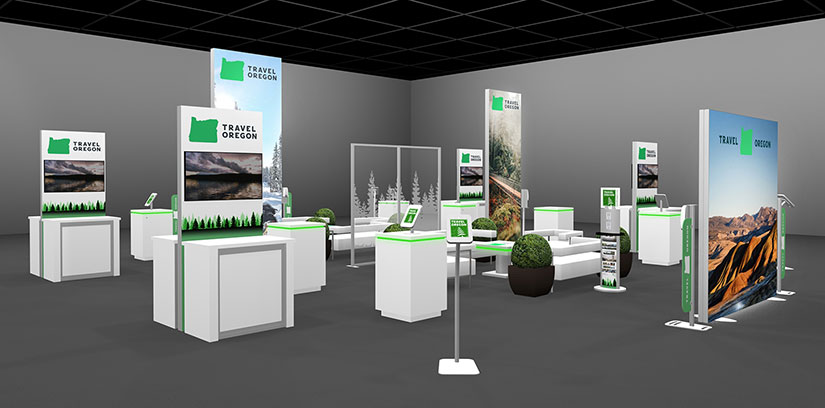
Adding Interactive Elements to Boost Visitor Engagement
Incorporating interactive elements markedly enhances visitor engagement by transforming passive observation into active participation. These elements invite visitors to explore, discover, and connect with the destination on a personal level.
Touchscreens, virtual reality experiences, and sensory stations empower guests to control their journey, fostering curiosity and deeper understanding. By offering choices rather than scripted paths, interactive features respect visitor autonomy and encourage exploration at their own pace.
Gamified challenges and storytelling kiosks further captivate attention, making the exhibition memorable and shareable. Such dynamic components break down barriers between the exhibit and the audience, creating meaningful exchanges that resonate beyond the visit.
Ultimately, integrating interactivity aligns with the desire for freedom, allowing visitors to engage authentically and shape their own narratives within the destination’s story.
Measuring Success and Gathering Feedback for Improvement
Why do some tourism exhibitions leave a lasting impact while others fade quickly from memory? The answer lies in effectively measuring success and gathering feedback to guide continuous improvement. Understanding visitor responses and engagement levels enables organizers to refine experiences, ensuring they resonate and inspire freedom to explore.
Key methods for measuring and improving exhibitions include:
- Visitor Surveys and Interviews – Collect direct insights on satisfaction and suggestions.
- Tracking Engagement Metrics – Monitor dwell time, interaction rates, and repeat visits.
- Analyzing Social Media and Online Reviews – Gauge public perception and discover areas for enhancement.
Conclusion
Effective tourism exhibition design is essential for destination marketing success. By carefully planning goals and understanding the target audience, utilizing space efficiently, and creating engaging, interactive displays, destinations can considerably enhance visitor interest and participation. Continuous measurement of success and feedback collection further refine the exhibition’s impact, ensuring ongoing improvement. Ultimately, a well-designed tourism exhibition serves as a powerful tool to attract and inform potential visitors, boosting destination visibility and appeal.