
Modern dog grooming academies train professionals through a blend of technical skill development, animal behavior education, and practical experience. Students learn precise grooming techniques, safe handling practices, and the use of professional tools. Training focuses on understanding pet body language to reduce stress and build trust. Hands-on sessions refine motor skills and confidence dog grooming academy. Programs also emphasize career readiness, including client communication and business basics. Exploring these areas reveals how all-encompassing training shapes successful groomers.
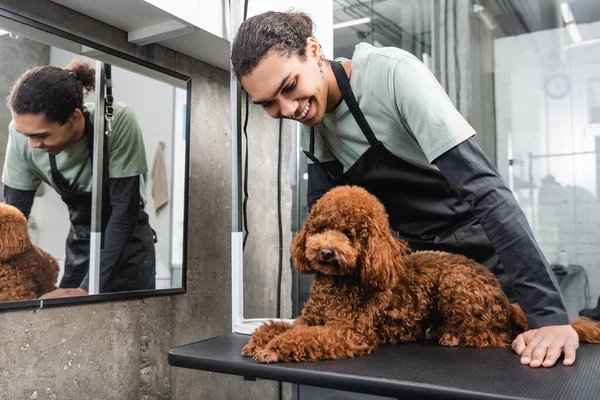
Key Skills Taught at Modern Dog Grooming Academies
Modern dog grooming academies equip students with essential skills that cover both practical grooming techniques and animal handling.
Trainees learn precise cutting, trimming, and styling methods tailored to various breeds Cosmos Pet Universe, ensuring coats are maintained healthily and aesthetically.
Instruction includes safe bathing procedures and the use of specialized tools to enhance efficiency and results.
Emphasis is placed on hygiene practices to prevent infections and maintain clean work environments.
Students also develop proficiency in nail clipping, ear cleaning, and dental care, all critical for thorough grooming.
Importantly, academies teach restraint techniques that prioritize safety without causing distress, allowing groomers to work confidently with diverse dogs.
These focused skills empower graduates to offer professional services, fostering independence and mastery in the grooming industry.
Understanding Pet Behavior for Better Grooming
Why is understanding pet behavior essential for effective grooming? Recognizing a dog’s signals and temperament allows groomers to create a calm environment, minimizing stress for both pet and professional.
Modern grooming academies emphasize reading body language—such as tail position, ear movement, and vocal cues—to anticipate discomfort or fear. This insight fosters gentle handling and tailored approaches, ensuring safety and cooperation.
Understanding behavior also helps in building trust, allowing the dog more freedom within the grooming session. Groomers trained in behavioral cues can adjust techniques dynamically, promoting a smoother experience.
Ultimately, this knowledge respects the animal’s individuality and supports a harmonious interaction, which is fundamental for quality grooming and positive outcomes in a professional setting.
Hands-On Training and Tools Used in Grooming Schools
Hands-on training forms the cornerstone of grooming education, equipping students with practical skills essential for professional success.
Grooming schools provide direct experience with various dog breeds, allowing students to master techniques such as bathing, trimming, and styling.
Access to professional-grade tools—including clippers, scissors, brushes, and dryers—ensures students become proficient with industry-standard equipment.
Simulated scenarios and live animal handling build adaptability and fine motor skills.
Training environments emphasize safety and hygiene, teaching proper tool maintenance and animal care.
This immersive approach empowers students to develop autonomy in their work, preparing them for real-world grooming challenges.
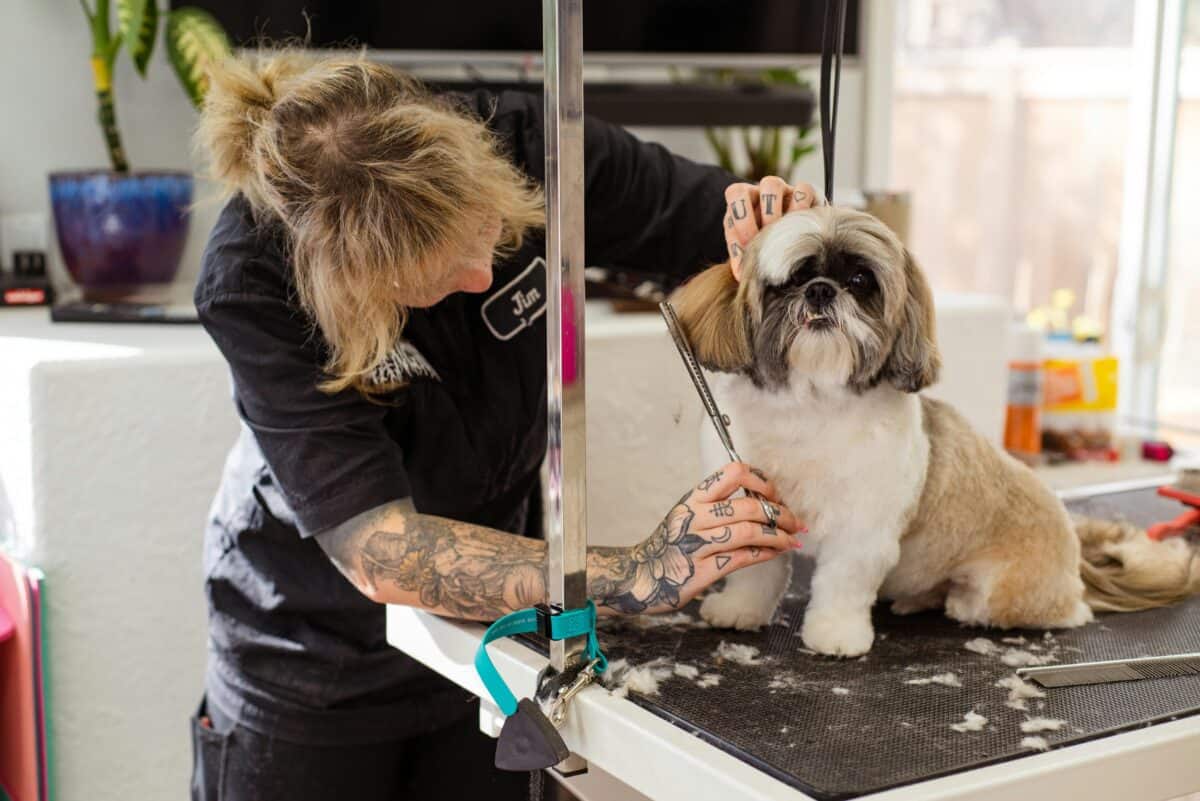
How Modern Grooming Academies Build Student Confidence
Cultivating confidence in grooming students involves a blend of structured practice, constructive feedback, and supportive mentorship. Modern grooming academies design curricula that gradually increase in complexity, allowing students to master fundamental skills before advancing.
Instructors provide clear, actionable critiques that empower learners to refine techniques without fear of failure. Additionally, mentorship programs connect students with experienced professionals, fostering a sense of community and shared growth.
Practical scenarios simulate real-world challenges, encouraging independent decision-making while ensuring safety and animal welfare. This balanced approach not only enhances technical ability but also reinforces self-assurance, enabling students to embrace creativity and adapt to diverse grooming situations.
Ultimately, confidence built through these methods equips graduates with the freedom to innovate and excel in their grooming careers.
Preparing for a Successful Career in Dog Grooming
Entering the dog grooming profession requires more than technical skill; it demands strategic preparation and ongoing professional development.
Successful groomers often begin by mastering foundational techniques through accredited programs that emphasize hands-on experience.
Beyond skill acquisition, cultivating business acumen—such as client communication, scheduling, and marketing—is essential to establish independence.
Staying current with industry trends and breed-specific grooming styles guarantees adaptability in a competitive market.
Building a professional network and seeking mentorship further enhances career growth, providing support and opportunities.
This all-inclusive approach empowers individuals to create flexible, self-directed careers, aligning with their desire for autonomy.
Conclusion
Modern dog grooming academies play a vital role in developing skilled professionals by combining thorough knowledge of pet behavior with practical hands-on training. These institutions equip students with the latest grooming techniques and tools, fostering confidence and competence. By emphasizing both technical skills and animal care, grooming schools prepare graduates for successful careers in a competitive industry, ensuring they meet the evolving standards and expectations of pet owners and the grooming profession.