
Common daily habits silently damage feet: wearing tight or narrow shoes that promote bunions; constant high‑heel use that overloads the forefoot and shortens calf muscles; unsupportive flats that collapse the medial arch; skipping foot‑strengthening drills; using worn‑out soles that alter gait; prolonged standing on hard floors without cushioning; poor nail trimming risking ingrown nails; DIY aggressive callus removal; neglecting hygiene; and ignoring early persistent pain. Practical fixes and escalation thresholds follow for those who want specific guidance mobile podiatrist perth.

Wearing Tight or Narrow Shoes : Why They Cause Bunions and How to Switch
Frequently, constrictive footwear—shoes that are tight across the forefoot or narrow at the toe box—alters normal foot biomechanics by compressing toes, increasing pressure on the first metatarsophalangeal joint, and promoting lateral deviation of the hallux People Podiatry. The resulting deformity presents as pain, inflammation, and progressive bunion formation.
Clinical management prioritizes removing the causative constraint: choose wider lasts, supportive arch geometry, and prioritize material breathability choices to reduce skin breakdown. Conservative self-care includes regular toe splay exercises, short-term night splinting, and cushioned metatarsal pads to redistribute load. When selecting replacements, assess sole flexibility, roomy toe box depth, and neutral heel-to-toe drop to restore natural gait.
Surgical referral is reserved for persistent structural malalignment and unmanageable pain despite optimized conservative measures.
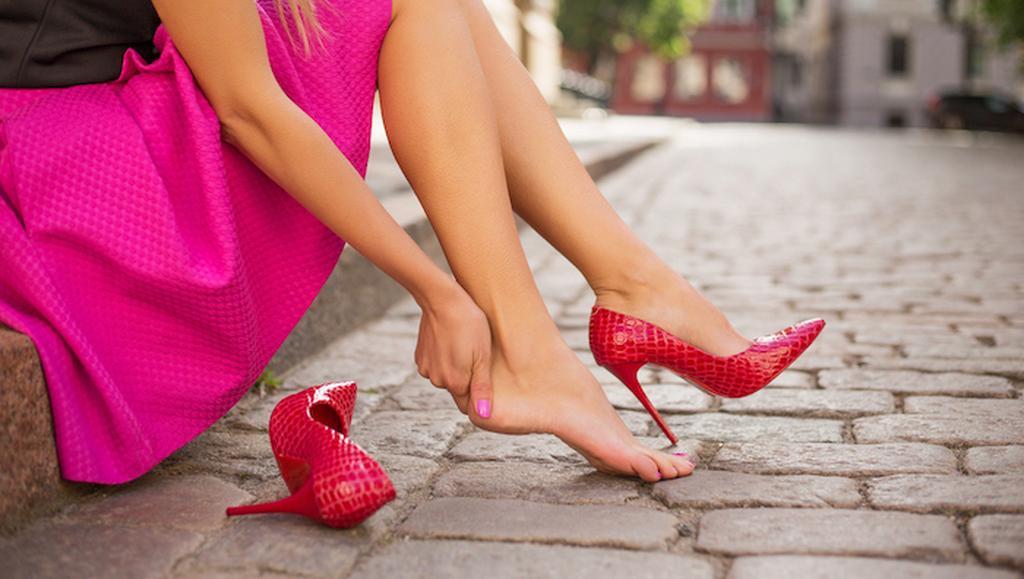
Constant High Heel Use : The Long-Term Damage and Lower-Heel Alternatives
Regular use of high-heeled shoes alters lower-extremity biomechanics by shifting weight anteriorly, increasing forefoot pressure, and placing the ankle in persistent plantarflexion, which over time contributes to metatarsalgia, hallux valgus progression, Achilles tendon shortening, and altered knee and lumbar mechanics.
Clinically, sustained heel elevation causes adaptive shortening of gastrocnemius–soleus, increases joint loading at the forefoot, and raises risk of nerve compression in interdigital and dorsal nerves.
The posture impact extends proximally: altered pelvic tilt and knee alignment increase chronic strain and reduce functional mobility.
Practical mitigation emphasizes lower-heel adoption (heel 1–2 cm), graduated heel-time reduction, targeted calf stretching, intrinsic foot strengthening, and intermittently using supportive footwear with roomy toe box. These measures preserve gait freedom while minimizing cumulative structural damage.
Using Unsupportive Flats and Slip‑Ons : Problems With Arch Collapse and Better Flat Options
Unsupportive flats and slip‑ons commonly lack adequate medial arch support, which can precipitate progressive arch collapse and associated plantar strain.
Their shallow heel counters and slick linings increase heel slippage, altering gait mechanics and elevating risk of blisters and Achilles overload.
Choosing flats with structured arch support, firm heel cups, and removable insoles or orthotic-compatible designs mitigates these problems.
Lack Of Arch Support
A lack of adequate arch support in flats and slip‑ons compromises the medial longitudinal arch, increasing risk of arch collapse, posterior tibial tendon overload, and altered gait mechanics. The clinician notes that prolonged use of unsupported footwear permits progressive deformity; management prioritizes strengthening, orthotic options, and temporary measures such as arch taping. Recommended flats provide contoured footbeds, moderate heel height, and firm midfoot support to preserve function and mobility.
| Problem | Practical fix |
|---|---|
| Arch collapse | Custom or prefabricated orthotics |
| Tendon overload | Activity modification, rehabilitation |
| Fatigue pain | Supportive flats with shank |
| Mild deformity | Arch taping short term |
| Prevention | Regular assessment, strengthen intrinsic muscles |
Heel Slippage Risks
Heel slippage in flats and slip‑ons occurs when the heel lifts repeatedly within the shoe during gait, increasing shear forces on the posterior calcaneal soft tissues and promoting friction blisters, callus formation, and altered ankle mechanics.
The consequence is a predictable cascade: subtle gait alteration, compensatory muscle recruitment, and progressive tissue irritation.
Practical observations include:
- Reduced heel lockdown allows posterior migration, increasing microtrauma at the Achilles and plantar fascia.
- Repeated slip episodes provoke transient instability, encouraging proximal compensations that alter gait kinetics.
- Surface friction from motion generates focal skin breakdown and thickened callus over time.
- Unsupportive insoles permit arch collapse, magnifying medial loading and perpetuating abnormal toe-off.
Clinical advice favors addressing fit and mechanical control to preserve mobility and freedom of movement.
Better Flat Alternatives
Frequently, flats and slip‑ons that lack structural support permit progressive arch collapse, which increases medial plantar loading and predisposes to overuse injuries. Clinicians recommend alternatives that preserve natural foot mechanics while reducing harmful strain.
Select motion friendly footwear with defined medial support, firm heel counters, and a stable platform to limit excessive pronation without restricting toe freedom. Favor designs offering targeted arch reinforcement and contoured footbeds rather than broad, undefined padding.
For users who prefer low profile shoes, minimalist cushioning combined with structured insole options can provide protection without promoting dependence on excessive cushioning. Encourage periodic gait assessment and brief strengthening routines to complement footwear choices.
Practical selection prioritizes functional freedom, measurable support, and prevention of cumulative tissue overload.
Ignoring Early Foot Pain : Signs to Watch For and When to See a Clinician
When does mild discomfort become a clinical concern? Persistent aching, morning stiffness, or visible redness may indicate early inflammation and warrant attention. The individual who values mobility should monitor objective signs and act to preserve freedom of movement.
- Increasing intensity over two weeks despite rest.
- Noticeable gait changes or limp developing during normal activities.
- Swelling, warmth, or bruising that limits shoe fit.
- Numbness, tingling, or loss of strength affecting balance.
If one item is present, modify activity and assess footwear. If two or more items persist, schedule a clinician visit for diagnosis and targeted intervention. Early evaluation prevents chronic limitations and protects long-term autonomy.
Skipping Foot‑Strengthening Exercises : Key Weak Spots and Two-Minute Exercises
Often overlooked, intrinsic foot muscles and ankle stabilizers rapidly weaken without targeted activation, increasing risk for overuse injuries and balance deficits. A concise regimen preserves mobility and autonomy: toe mobilization and intrinsic strengthening reduce collapse of the medial arch and improve push-off. Two-minute drills executed twice daily restore neuromuscular control and resilience.
| Target | Action | Duration |
|---|---|---|
| Toe mobilization | Active toe lifts and spreads | 60s |
| Intrinsic strengthening | Short-foot contractions | 60s |
| Ankle stabilizers | Single-leg balance, micro-corrections | 60s |
| Integration | Walk with forefoot emphasis | 60s |
Clinically, progress by increasing load and complexity; reassess function weekly to maintain freedom of movement.
Overlooking Proper Sock and Shoe Fit : Moisture, Friction, and Simple Fitting Tips
In daily footwear choices, improper sock and shoe fit creates a microenvironment of excess moisture and focal friction that predisposes skin breakdown, interdigital maceration, and blister formation.
Practical assessment emphasizes fit, fabric, and function. Choose socks with moisture wicking fibers and shoes sized for toe splay; aim for friction reduction through construction and materials. Simple, actionable points:
- Measure feet later in day; allow 0.5–1.0 cm toe room and secure heel fit.
- Select moisture wicking socks (synthetic blends or merino) to limit maceration and odor.
- Prefer seamless, anatomically shaped socks and shoes with soft linings for friction reduction.
- Inspect sock seams, insole contours, and lace tension; adjust to eliminate hotspots.
These steps preserve skin integrity, enhance comfort, and support an active, unrestricted lifestyle.
Walking or Running in Worn‑Out Shoes : How Sole Wear Changes Gait and When to Replace
After ensuring proper sock and shoe fit, attention must shift to the condition of the footwear itself: worn-out soles alter shock absorption, stability, and foot alignment, producing compensatory gait changes that increase stress on skin, joints, and soft tissues.
Objective inspection for uneven outsole wear, visible midsole degradation, and collapsed heel counters predicts functional decline. Clinicians note gait asymmetry, increased pronation or supination, and shorter stride length as common adaptations.
Practical thresholds for replacement include visible midsole creasing, loss of cushioning, and 300–500 miles of repetitive use for running shoes; work shoes vary by activity. Replacement restores predictable shock attenuation and mediolateral stability, reducing abnormal loading patterns.
Routine monitoring empowers continued mobility and minimizes cumulative tissue damage.
Prolonged Standing on Hard Floors : Why It Stresses Feet and Cushioning/Workstation Fixes
Standing for prolonged periods on hard floors concentrates repetitive loading across the plantar surface and transmits higher peak forces to the joints and soft tissues of the foot than softer surfaces do.
The result is accelerated tissue fatigue, increased risk of plantar fasciitis, and joint stress that limits mobility and choice.
Practical mitigation focuses on cushioning and workstation design.
- Use anti fatigue mats at fixed workstations to disperse forces and reduce muscle fatigue.
- Select supportive footwear with removable cushioned insoles to restore shock absorption.
- Alternate standing and seated tasks; schedule brief microbreaks for foot motion and load redistribution.
- Assess floor, footwear, and task layout; prioritize interventions that preserve foot integrity and enable freedom of movement.
Poor Nail Care and DIY Pedicures : Risks for Ingrown Nails and Safer Techniques
Improper toenail trimming and the use of unsterilized or inappropriate tools during at-home pedicures increase the risk of ingrown nails, infection, and chronic inflammation.
Evidence-based technique requires cutting nails straight across, avoiding excessive rounding of the corners, and using clean, sharp clippers or professional-grade instruments.
When signs of persistent pain, redness, or drainage occur, referral to a podiatrist is recommended rather than continued self-treatment.
Proper Toenail Trimming
When trimming toenails, attention to shape and length prevents common complications such as ingrown nails and paronychia; nails should be cut straight across with clean, sharp clippers, avoiding rounded or tapered edges that encourage lateral nail plate penetration into the periungual skin.
Practical technique favors firm control, minimal force and avoidance of tearing or ripping.
Recommended routine:
- Trim when nails are soft after bathing; use angled clippers for straight, even cuts.
- Cut across the nail plane; leave a small flat strip of nail at the apex to reduce skin impingement.
- Smooth only the free edge with gentle edge beveling to remove sharp corners without narrowing the width.
- Inspect the nail fold for inflammation; defer aggressive work if infection or thickened fungal changes are present.
This preserves mobility and autonomy while minimizing risk.
Safe At-Home Tools
In discussions of at‑home foot care, selection and use of tools directly influence the risk of ingrown nails and soft‑tissue infection. The individual should choose stainless steel clippers with a straight edge, single‑use emery boards, and sterile instruments; avoid aggressive cutting of nail corners. Disposable buffers reduce cross‑contamination; electric files are acceptable if used at low speed and with disposable bits. Alcohol or antiseptic wipes should be used before and after procedures.
Foam rollers and massage balls are suitable adjuncts for plantar myofascial release but must not replace proper nail care. If bleeding, persistent pain, or discharge occurs, cease self‑treatment and seek professional care. Clear protocols, clean tools, and restraint preserve autonomy while minimizing risk.
Neglecting Foot Hygiene and Skin Care : Fungal and Cracked-Heel Prevention and Daily Habits
Routinely overlooked, basic foot hygiene and skin care directly influence the development of fungal infections and heel fissures; simple daily measures markedly reduce risk. The practitioner-focused guidance emphasizes moisture management and callus prevention to preserve mobility and comfort, enabling independent movement without restriction.
- Wash feet daily with gentle soap, dry between toes thoroughly to prevent fungal proliferation.
- Apply emollient to heels nightly and use pumice gently after bathing to control callus formation.
- Rotate socks and footwear; select breathable materials to maintain moisture balance and reduce maceration.
- Inspect feet daily for cracks, discoloration, or odor; seek professional care if lesions persist or pain limits activity.
These steps are practical, evidence-aligned, and preserve autonomy through simple routines.
Conclusion
Daily routines often hide cumulative harm to feet; proactive correction prevents chronic problems. Adopting properly fitted, supportive footwear; limiting heels; replacing worn shoes; performing brief daily strengthening and stretching; maintaining hygiene, nail care, and skin protection; and minimizing prolonged standing on hard surfaces collectively reduce risk of bunions, plantar fasciitis, nail pathology, and gait alterations. Early attention to emerging pain and timely professional assessment optimises outcomes and preserves long‑term foot function.